Have you ever promised yourself, “I’ll start walking tomorrow,” and then hit the snooze button the next morning?
You’re not alone.
I know a person named Rathnam who does exactly that. Every night, he plans to wake up early and go for a morning walk. He even sets alarms. But when morning comes, he keeps postponing it for “just five more minutes.” Those five minutes turn into an hour. Days become months.
Slowly, the effects started showing. He gained weight. His energy dropped. Later, he was dealing with diabetes, high blood pressure, and a few other health problems that many people don’t think about until they arrive.
Then there’s Sagar.
Sagar wakes up at 5 AM almost every day. Nothing fancy. He puts on his shoes, steps outside, and walks. Some days it’s 20 minutes. Other days it’s longer. The difference is that he keeps showing up.
Today, Sagar feels active, sleeps better, manages stress well, and rarely complains about feeling tired throughout the day.
So, why is morning walk important?
Because it’s one of the simplest things you can do for your body. No expensive gym membership. No complicated workout plan. Just a pair of comfortable shoes and a little commitment.
Many people ask, “Is walking every morning good?” The short answer is yes. A daily walk can help support heart health, blood sugar control, weight management, better sleep, and even a better mood.
And if you’re wondering what happens if you stop walking daily, the answer is often simple too. Your body slowly starts missing out on all those small benefits that quietly keep you healthy.
The truth is, a morning walk may look like a small habit. But over the years, it can create a surprisingly big difference in how you feel, move, and live.
What Happens To Your Body During a Morning Walk?
Have you ever noticed how different you feel after a good morning walk?
Not just physically, but mentally too.
You step outside feeling sleepy, maybe even a little lazy. But after 20 or 30 minutes of walking, something changes. Your body wakes up. Your mind feels clearer. You suddenly have more energy to start the day.
That’s not your imagination. A lot is happening inside your body while you’re walking.
The first thing that happens is your heart starts working a little harder. As your walking pace increases, your heart rate goes up to pump more blood throughout your body. This improved blood circulation delivers oxygen and nutrients to your muscles, brain, and organs. That’s one reason many people feel more alert and focused after a walk.
Your lungs also become more active. With every step, you’re breathing deeper and taking in more oxygen than when you’re sitting or lying in bed. Your body uses that oxygen to produce energy. In simple words, your engine starts warming up for the day ahead.
One of the biggest morning walking benefits is the effect it has on your mood. Walking encourages the release of endorphins, often called “feel-good hormones.” They help reduce stress and can leave you feeling calmer and happier. Some people spend money on fancy wellness products. Honestly, a simple walk often does more than they expect.
If you’re walking in the morning on an empty stomach, your body may use stored fat as an energy source during the walk. While this doesn’t magically melt away body fat overnight, it can support healthy metabolism when combined with good eating habits and consistency.
Another thing many people don’t realize is the power of morning sunlight. When natural light enters your eyes, it sends signals to your brain that it’s time to wake up. This helps regulate your circadian rhythm, which is your body’s internal clock. A healthy circadian rhythm can improve sleep quality, energy levels, and even hormone balance.
So, what happens after a morning walk?
For most people, the answer is simple. Better blood flow. Better oxygen use. A lighter mood. More energy. A clearer mind.
And yes, walking does increase metabolism to some extent. Your body continues burning calories even after the walk is over. It’s not dramatic, but over weeks and months, these small daily efforts can add up to meaningful health benefits.
That’s why people who make morning walking a habit often say the same thing: they don’t just feel healthier—they feel more alive.
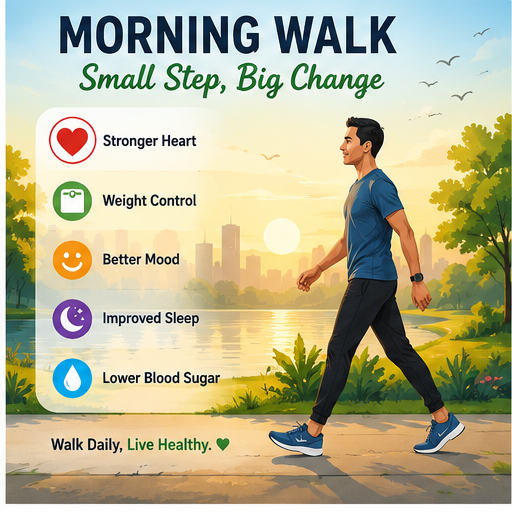
Top 20 Benefits of Walking Every Morning
Many people think walking is too simple to make a real difference. That’s probably why they keep putting it off. A lot of us promise ourselves we’ll start tomorrow, then tomorrow turns into next week.
The truth is, walking is one of the easiest things you can do for your health. You don’t need expensive equipment, a gym membership, or a fitness coach standing beside you. Just a pair of comfortable shoes and the willingness to step outside.
If you’re wondering about the benefits of daily walking or asking yourself why should I walk every day, these 20 benefits might convince you to stop delaying and start moving.
1. Better Heart Health
Your heart loves movement.
When you walk every morning, your heart pumps blood more efficiently throughout your body. Over time, this simple habit can improve circulation and reduce the strain on your heart. Think of it as giving your heart a gentle workout without pushing it too hard.
Many people focus on intense workouts, but a daily walk can quietly do wonders for cardiovascular health.
2. Reduced Blood Pressure
High blood pressure often develops silently. Many people don’t even know they have it until a medical checkup.
Regular walking helps blood vessels stay flexible and improves blood flow. That’s one reason doctors often recommend walking to people dealing with hypertension. Even a 30-minute walk each day can make a noticeable difference after a few weeks.
3. Better Blood Sugar Control
One of the biggest walking benefits is improved blood sugar management.
When you walk, your muscles use glucose for energy. This helps lower blood sugar levels and improves insulin sensitivity. For people with diabetes or prediabetes, daily walking can become a valuable part of managing their condition.
It’s simple, but it works.
4. Weight Loss Support
Many people start walking because they want to lose weight.
Walking won’t magically melt away fat overnight. That’s just not how the body works. But when combined with healthy eating, it helps create a calorie deficit and encourages gradual, sustainable weight loss.
The best part? Most people can stick with walking much longer than extreme workout programs.
5. Stronger Legs
Your legs carry you through life every day, yet they often get ignored until something starts hurting.
Morning walks help strengthen your calves, thighs, hamstrings, and glutes. After a few weeks, climbing stairs feels easier, and long periods of standing don’t seem as tiring.
6. Better Mood
Have you ever noticed how a short walk can clear your head?
That’s not your imagination.
Walking encourages the release of feel-good chemicals such as dopamine and serotonin. Many people report feeling calmer, happier, and less stressed after a morning walk.
Some days, the mental benefits feel even bigger than the physical ones.
7. Improved Sleep
People often search for complicated sleep solutions while ignoring one of the simplest answers.
Morning walking, especially outdoors, exposes your body to natural sunlight. This helps regulate your internal body clock and makes it easier to fall asleep at night.
Better sleep often starts with what you do during the day.
8. Better Memory
Walking isn’t only good for your body.
Research shows that regular physical activity supports brain function. Many people find they can focus better, remember things more easily, and think more clearly when walking becomes part of their routine.
9. Stronger Bones
As we get older, bone health becomes increasingly important.
Walking is a weight-bearing exercise, which means it helps maintain bone strength. It may reduce the risk of osteoporosis and keep your body stronger for longer.
10. Increased Longevity
People who stay physically active generally live longer and enjoy a better quality of life.
No one can guarantee extra years, of course. But regular walkers often have lower risks of several chronic diseases that shorten life expectancy.
That’s a pretty good reason to keep walking.
11. Stronger Immune System
Nobody enjoys being sick.
Regular moderate exercise like walking helps support your immune system. It won’t make you invincible, but it can help your body respond more effectively to everyday infections and illnesses.
12. More Energy Throughout the Day
It sounds strange, but using energy can actually give you more energy.
Instead of feeling sluggish all morning, many walkers notice they feel more alert and productive after their walk. The fresh air and increased blood circulation seem to wake up both body and mind.
13. Lower Stress Levels
Life can feel overwhelming sometimes.
Walking gives your mind a break from screens, emails, deadlines, and constant notifications. Even 20 minutes outdoors can help reduce tension and bring a sense of calm that lasts for hours.
14. Better Digestion
Movement encourages your digestive system to work more efficiently.
Many people find that regular walking helps reduce bloating and supports healthier digestion. It’s a small benefit that often goes unnoticed until it improves.
15. Healthier Cholesterol Levels
Walking may help increase HDL, often called “good cholesterol,” while supporting overall heart health.
Small improvements made consistently over months can lead to meaningful long-term results.
16. Improved Balance and Coordination
As people age, maintaining balance becomes increasingly important.
Walking strengthens the muscles involved in stability and coordination. This can reduce the risk of falls and help maintain independence later in life.
17. Better Mental Clarity
Some of the best ideas seem to arrive while walking.
There’s a reason many successful people take walks when they need to think. Walking creates space for reflection and often helps untangle problems that seem complicated when sitting at a desk.
18. Reduced Risk of Chronic Diseases
Regular walking has been linked to lower risks of conditions such as type 2 diabetes, heart disease, obesity, and certain metabolic disorders.
It’s one of the simplest preventive health habits available.
19. More Confidence
When you consistently keep a promise to yourself, something changes.
You begin to trust yourself more.
Whether you’re walking for 15 minutes or an hour, showing up every morning builds confidence and creates a sense of achievement that spills into other areas of life.
20. A Healthier Lifestyle Overall
Perhaps the biggest benefit of walking every morning is what happens beyond the walk itself.
People who start walking often begin drinking more water, sleeping better, making healthier food choices, and paying closer attention to their wellbeing.
One positive habit has a way of creating another.
That’s why walking is so powerful. It isn’t just about burning calories or reaching a step count. It’s about creating a healthier version of yourself one morning at a time.

Walking Benefits for Weight Loss – What Science Actually Says
One of the biggest reasons people start walking is simple — they want to lose weight. Maybe the scale is creeping up, clothes feel tighter, or the doctor has warned about rising blood sugar levels. Whatever the reason, walking is often the first step people take toward getting healthier.
But can walking really help with weight loss?
The short answer is yes. Walking can absolutely support weight loss, but probably not in the way many people expect.
A lot of people think that taking a few walks will magically melt away belly fat. That’s where disappointment usually starts. The truth is that weight loss happens when you consistently burn more calories than you consume. Walking helps create that calorie deficit, but it works best when combined with sensible eating habits.
For example, a person weighing around 70 kg can burn roughly 120 to 170 calories during a 30-minute brisk walk. Stretch that to 45 minutes, and the calorie burn may reach 200 to 300 calories depending on speed, age, body weight, and terrain. That’s one reason many health experts highlight the benefits of walking 45 minutes a day. It burns calories without putting too much stress on your joints.
Now let’s talk about a common question people ask online:
Can walking burn belly fat?
Not directly.
Your body doesn’t choose to burn fat from only your stomach when you walk. Fat loss happens throughout the body. As you become more active and maintain healthy eating habits, belly fat gradually starts reducing along with overall body fat.
I’ve seen people give up too soon because they didn’t notice changes after a week or two. That’s a mistake. Walking rewards patience. The first changes often happen in your energy levels, sleep quality, and mood before they show up on the weighing scale.
Another myth is that walking alone is enough for major weight loss. It can help, but results are usually much better when you combine walking with some form of strength training. Simple exercises like squats, push-ups, resistance bands, or light weights help build muscle. More muscle means your body burns more calories even when you’re resting.
Think of it this way: walking keeps you moving, while strength training helps your body become more efficient at using energy.
If you’re trying to lose weight, a practical approach is:
- Walk 30 to 45 minutes most days of the week
- Eat more whole foods and fewer processed snacks
- Add strength training 2–3 times per week
- Focus on consistency rather than perfection
The real walking benefits for weight loss come from doing it regularly. Not for a week. Not for a month. But as part of your everyday life. The people who see lasting results are usually not the fastest walkers. They’re the ones who simply keep showing up day after day.
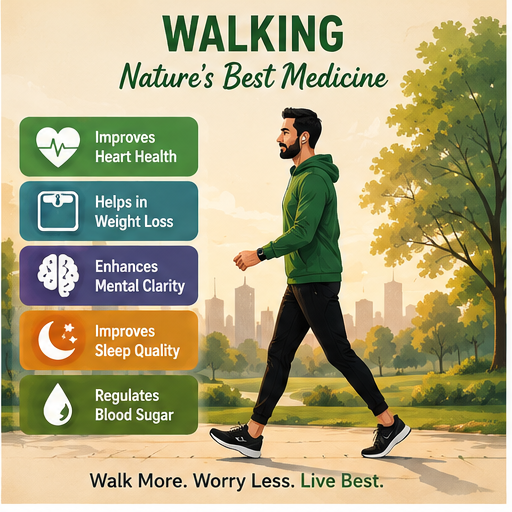
Walking Benefits for Women
Many women spend their days taking care of everyone else first. Family, work, household responsibilities, and endless to-do lists often leave very little time for personal health. That’s one reason walking is such a practical exercise. You don’t need a gym membership, expensive equipment, or even a complicated plan. Just a good pair of shoes and a little consistency.
One of the biggest walking benefits for women is its positive effect on hormonal balance. A simple morning walk can help lower stress levels, which may support healthier hormone function over time. When stress stays high for weeks or months, many women notice changes in sleep, mood, energy, and even weight. Walking won’t solve every problem overnight, but it can help your body feel more balanced.
Benefits of Walking After 40 for Women
After 40, many women start noticing changes that weren’t there before. Weight seems easier to gain. Energy levels may dip. Sleep becomes less predictable. Some women also begin experiencing perimenopause or menopause symptoms.
Regular walking can make a real difference during this stage of life. It helps keep the body active, supports heart health, and may reduce some common menopause symptoms such as mood swings, anxiety, and poor sleep. I’ve heard many women say they started walking to lose weight but stayed with it because they felt calmer and slept better.
Bone health is another reason walking matters. As women age, bone density naturally declines, increasing the risk of osteoporosis. Since walking is a weight-bearing activity, it helps keep bones stronger without putting too much strain on the joints.
Walking is also helpful for weight management. No, it isn’t a magic solution. But when combined with sensible eating habits, daily walks can help burn extra calories and prevent gradual weight gain. Even a 30 to 45-minute walk most days of the week adds up over time.
There’s also something people don’t talk about enough—the mood boost. A quiet walk in the morning sunlight can clear your mind better than scrolling through your phone. Many women find that after a walk, they feel lighter, more focused, and ready to handle whatever the day brings.
Sometimes the simplest habits end up giving the biggest rewards, and walking is a perfect example of that.

Walking Benefits for Men: A Simple Habit That Pays Off for Years
Many men spend hours thinking about fitness, muscle gain, supplements, and complicated workout plans. Yet one of the most underrated habits is simply walking.
If you’re wondering, “Is walking good for men?” the answer is yes. In fact, a daily walk can do more for your health than many people realize.
One thing I often notice is that many men become less active as work responsibilities increase. Long hours at a desk, driving, meetings, and stress slowly become part of everyday life. The body feels the effects. Weight starts creeping up, energy drops, and even climbing a few flights of stairs feels harder than it used to.
This is where walking helps.
Better Heart Health Without Extreme Workouts
Your heart is a muscle, and like any muscle, it needs regular activity. Walking improves blood circulation, helps lower blood pressure, and supports healthy cholesterol levels. Over time, it reduces the risk of heart disease, which remains one of the biggest health concerns for men worldwide.
You don’t need to run marathons. Even a brisk 30 to 45-minute walk most days of the week can make a real difference.
A Natural Way to Reduce Stress
Most men carry stress without talking about it.
Work pressure, financial responsibilities, family commitments—sometimes it all builds up quietly. A morning walk creates a small break from that mental noise. Fresh air, sunlight, and movement help clear the mind.
Many people notice they feel calmer and more focused after a walk. Problems don’t disappear, but they often feel easier to handle.
More Energy Throughout the Day
It sounds strange at first. You spend energy walking, yet somehow you feel more energetic afterward.
That’s because walking improves oxygen flow throughout the body. It wakes you up naturally and helps you feel less sluggish during the day. Many men who start walking regularly say they rely less on extra cups of coffee to stay alert.
Can Walking Increase Testosterone?
A lot of men search online for ways to boost testosterone naturally.
Walking isn’t a magic solution, and no honest article should claim that it is. However, regular physical activity supports overall hormonal health. Walking can help reduce excess body fat, improve sleep quality, and lower chronic stress levels. All three play a role in maintaining healthy testosterone levels.
In simple terms, walking creates conditions that support better hormone balance.
Walking Benefits for Men Who Want to Lose Belly Fat
Belly fat is one of the most common concerns among men, especially after their 30s and 40s.
Walking won’t melt fat overnight. That’s just marketing nonsense. But when combined with healthier eating habits, daily walking helps burn calories consistently and improves metabolism.
The biggest advantage is sustainability. Most men can stick with walking for months or years, while extreme workout plans often last only a few weeks.
A daily walk may seem small, but those small efforts add up. Better heart health, lower stress, more energy, healthier weight, and improved overall well-being are benefits that many men start noticing sooner than they expect.
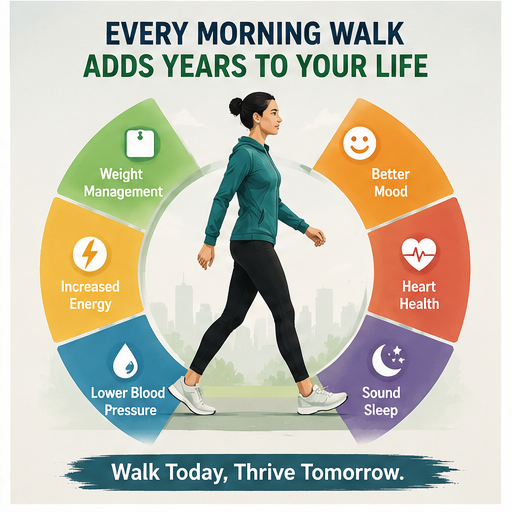
Benefits of Walking 45 Minutes a Day
Many people ask, “Is 45 minutes walking enough?” Honestly, for most people, it’s more than enough to see real health benefits. You don’t need to run marathons or spend hours in a gym to improve your health. A simple 45-minute walk, done consistently, can make a noticeable difference.
One of the biggest benefits of walking 45 minutes a day is that it helps your body burn energy more efficiently. Your metabolism gets a gentle boost during the walk and stays slightly elevated afterward. It won’t magically melt away fat overnight, but over weeks and months, those daily walks can add up. That’s often why people who stick to a walking routine find it easier to maintain a healthy weight.
Another thing many people notice is better blood sugar control. After a walk, your muscles use glucose more effectively, which helps regulate blood sugar levels. For people dealing with prediabetes or type 2 diabetes, regular walking can become one of the simplest habits that supports long-term health.
If you’ve ever returned from a walk feeling calmer and more positive, you’re not imagining it. Walking has a way of clearing the mind. Even on stressful days, spending 45 minutes outdoors can improve your mood and reduce mental fatigue. Some people listen to music, others enjoy the quiet. Either way, it often feels like pressing a reset button.
Many readers also wonder, “How many calories does 45 minutes walking burn?” The answer depends on your weight, pace, and fitness level. On average, most adults burn somewhere between 180 and 350 calories during a 45-minute walk. While that may not sound huge, the real benefit comes from doing it regularly rather than focusing on a single day’s numbers.
Your heart benefits too. Walking at a moderate pace improves blood circulation, helps manage blood pressure, and strengthens the cardiovascular system over time. That’s why doctors often recommend walking as one of the easiest and safest forms of exercise.
The best part? Forty-five minutes isn’t so long that it feels impossible, but it’s long enough for your body to thank you for it.

1 Hour Morning Walk Benefits: Is Walking for an Hour Every Morning Really Worth It?
If you’ve ever wondered whether spending a full hour walking every morning is worth the effort, the short answer is yes. A one-hour walk may sound like a lot at first, especially if you’re used to sitting most of the day. But once it becomes part of your routine, it often feels less like exercise and more like personal time.
One of the biggest 1 hour morning walk benefits is the amount of movement you naturally accumulate. Depending on your pace, a one-hour walk usually covers around 5,000 to 8,000 steps. For many people, that’s already a large portion of the recommended daily step count. Instead of struggling to find time for exercise later, you’ve already done something good for your body before breakfast.
Another reason people stick with morning walks is the calorie burn. An average person can burn anywhere from 200 to 400 calories during a one-hour walk, depending on body weight, walking speed, and terrain. While that alone won’t magically melt away extra weight, it definitely helps when combined with healthy eating habits. Many people notice that regular walking also reduces mindless snacking throughout the day.
The heart benefits are probably even more valuable. Walking for an hour each morning improves blood circulation, helps manage blood pressure, and supports healthy cholesterol levels. Over time, your heart becomes more efficient, which means everyday activities feel easier. Climbing stairs, carrying groceries, or even chasing after kids doesn’t leave you breathless like before.
What I personally like about a longer walk is the mental reset it provides. After an hour outside, especially during the quiet early morning hours, your mind feels clearer. Problems seem smaller. Stress feels lighter. Sometimes the walk itself becomes the best part of the day.
So, is a 1 hour walk daily good? For most healthy adults, absolutely. It’s one of the simplest habits you can build for better fitness, heart health, and overall well-being without needing a gym membership or expensive equipment.
Read More: How to Live Peaceful Life in 2026.
10,000 Steps Walking Benefits: Do You Really Need 10,000 Steps Every Day?
For years, we’ve been told that 10,000 steps a day is the magic number for good health. Fitness trackers remind us about it. Health apps celebrate it. Many people even feel guilty when they don’t reach it.
But here’s something interesting. Recent research shows that you don’t necessarily need 10,000 steps every day to enjoy the benefits of walking.
In fact, several studies have found that most of the major health gains start showing up much earlier. People who walk around 6,000 to 8,000 steps a day already see meaningful improvements in heart health, blood sugar control, mood, and overall fitness. For older adults especially, even 6,000 daily steps can make a noticeable difference.
So, is 8,000 steps enough?
For many people, yes. If you’re moving consistently and walking at a comfortable pace, 8,000 steps can provide excellent health benefits. The truth is that going from 2,000 steps to 6,000 steps often has a much bigger impact than going from 8,000 to 10,000.
That doesn’t mean 10,000 steps walking benefits are a myth. Reaching that level can help you burn more calories, improve endurance, and stay more active throughout the day. It can also be a useful goal for people trying to lose weight or reduce long periods of sitting.
The real mistake is thinking that anything below 10,000 steps doesn’t count.
I’ve seen people skip a short walk because they knew they couldn’t hit 10,000 that day. That’s the wrong way to look at it. Every step matters. A 20-minute morning walk, a walk after lunch, or choosing the stairs over the elevator all add up.
At the end of the day, consistency beats perfection. If you can walk 6,000 to 8,000 steps every day, you’re already doing something great for your body. And if some days you reach 10,000 or more, think of it as a bonus rather than a requirement.
Morning Walk vs Evening Walk – Which Is Better?
One of the most common questions people ask is, “Should I walk in the morning or evening?” The honest answer is pretty simple: the best time to walk is the time you can stick with consistently.
That said, morning and evening walks aren’t exactly the same. Each has its own advantages, and your lifestyle often decides which one works better.
I have seen people make big health improvements with both. My neighbor Sagar wakes up at 5 AM every day, finishes his walk before most people are out of bed, and never has to worry about finding time later. On the other hand, one of my friends prefers walking after work because that’s when he feels most relaxed. Both are active and healthy because they stay consistent.
Here’s a quick comparison.
| Factor | Morning | Evening |
|---|---|---|
| Sleep Quality | Better | Neutral |
| Circadian Rhythm | Strong Support | Limited Support |
| Consistency | Usually Higher | Often Lower |
| Blood Sugar Control | Good | Good |
Why Morning Walks Have an Edge
A morning walk gives you something that evening walks simply can’t offer — early sunlight.
When sunlight hits your eyes shortly after waking up, it helps set your body’s internal clock. This affects your sleep, energy levels, mood, and even hunger patterns throughout the day. Many people notice they sleep better at night after spending 20 to 30 minutes walking outdoors in the morning.
Morning walks also tend to happen before life’s distractions show up.
Think about it. At 6 AM, nobody is calling you about work. There are no unexpected meetings, family errands, or last-minute plans. Once your walk is done, it’s done.
That’s exactly why people like Rathnam often struggle. Every evening he tells himself he’ll walk tomorrow morning. Then he sleeps late, wakes up tired, and postpones it again. A few missed days become a few missed months.
When Evening Walks Make More Sense
Not everyone enjoys waking up before sunrise. And that’s perfectly okay.
If you’re someone who works late, studies at night, or simply feels sluggish in the morning, an evening walk may fit your life much better.
Walking after work can help clear your mind. Many people use that time to unwind after a stressful day. Some even say their evening walk feels like a mental reset button.
There’s another benefit too. Walking after dinner can help reduce blood sugar spikes, which is especially useful for people managing diabetes or prediabetes.
So, Which One Should You Choose?
If you can comfortably walk in the morning, that’s usually the better option because of sunlight exposure, improved sleep, and stronger habit formation.
But don’t get stuck trying to find the “perfect” time.
A 30-minute evening walk every day is far more valuable than a morning walk you never actually do.
The real secret isn’t morning or evening. It’s showing up regularly.
Walk when you can. Walk consistently. Your heart, brain, blood sugar, and future self won’t care what time the clock says.
Walking on an Empty Stomach – Benefits and Myths
One question comes up again and again: Should I walk before breakfast? The answer isn’t as complicated as many fitness influencers make it sound.
When you go walking in the morning on an empty stomach, your body has already been without food for several hours during sleep. Because of that, it may use a slightly higher percentage of stored fat for energy during the walk. That’s where the idea of fasted walking benefits comes from.
But here’s where many people get confused.
Using more fat during a walk doesn’t automatically mean you’ll lose more body fat overall. Weight loss still depends on your daily eating habits, activity levels, sleep, and consistency. I’ve seen people walk every morning before breakfast and still struggle with weight because they ignored everything else. On the other hand, some people eat a light snack before walking and still lose weight successfully.
The real benefits of morning walk empty stomach often have more to do with convenience than magic fat burning. Many people feel lighter, less bloated, and more focused when they walk before eating. It can also make it easier to stick to the habit because the walk gets done before the day becomes busy.
That said, fasted walking isn’t for everyone.
If you have diabetes, low blood sugar issues, are pregnant, or take medications that affect blood glucose levels, you should speak with your doctor before trying it. Some people feel dizzy, weak, or shaky when exercising without food. If that’s you, there’s no prize for pushing through it. A banana, a few dates, or a small glass of milk before your walk is perfectly fine.
One of the biggest myths is that you must walk on an empty stomach to get results. You don’t.
A 30-minute walk that you actually do every day is far more valuable than the “perfect” fasted walk that you keep postponing. Whether you walk before breakfast or after a light snack, the biggest benefit comes from showing up consistently. That’s what improves your health, controls weight, and keeps you feeling better over the long run.
Are There Any Disadvantages of Morning Walk?
Morning walks are one of the simplest ways to stay active, but that doesn’t mean they’re perfect for everyone in every situation. Most people focus only on the benefits and rarely talk about the possible downsides. The truth is, a morning walk is generally safe, but there are a few things worth paying attention to.
Air Pollution Can Be a Problem
Many people assume early morning air is always fresh and clean. Unfortunately, that’s not true everywhere. In some cities, pollution levels can be quite high, especially near busy roads and industrial areas. Breathing polluted air while exercising may irritate your lungs and make breathing uncomfortable. If you live in a polluted area, try walking in parks, green spaces, or quieter streets where traffic is lighter.
Injury Risks for Beginners
One of the common disadvantages of morning walk routines is that people often start too much, too soon. I’ve seen people decide to walk for an hour on day one after months of being inactive. A few days later, they’re dealing with sore knees, foot pain, or muscle stiffness.
Your body needs time to adjust. Starting with 15–20 minutes and gradually increasing the duration usually works much better than pushing too hard right away.
Extreme Weather Can Make Walking Difficult
Weather matters more than most people think. During hot summer mornings, dehydration can happen quickly. In the rainy season, slippery roads increase the risk of falls. Even during winter, some people struggle with joint stiffness when they step outside too early.
A simple solution is to check the weather, wear suitable clothing, and carry water if you’re planning a longer walk.
Certain Medical Conditions Need Extra Care
If you have diabetes, heart disease, uncontrolled high blood pressure, severe anemia, or other serious health conditions, don’t jump into a new walking routine without talking to your doctor first. Walking is helpful for many of these conditions, but the intensity and duration may need to be adjusted.
Also, stop walking immediately if you experience chest pain, dizziness, unusual shortness of breath, or a racing heartbeat. Your health is more important than completing a walk.
So, can morning walking be harmful? For most healthy people, not really. The risks are usually small and easy to manage. A little planning, proper footwear, and listening to your body can help you enjoy all the benefits while avoiding the common problems.
Morning Walk Tips That Make You Consistent
A lot of people don’t struggle with walking. They struggle with being consistent.
The truth is, most of us start with good intentions. We tell ourselves, “I’ll start tomorrow.” Then tomorrow comes, the alarm rings, and suddenly staying in bed feels like the better option.
I’ve noticed that people who walk regularly aren’t always the most motivated. They simply make it easier for themselves to show up.
Prepare the Night Before
One simple trick can make a huge difference. Keep your walking clothes, shoes, socks, and water bottle ready before going to bed.
When you wake up, you don’t have to think. You don’t have to search for your shoes or decide what to wear. Everything is already waiting for you.
It sounds small, but removing those tiny morning decisions makes getting out the door much easier.
Find a Walking Partner
If you’re wondering how to make walking a habit, having someone walk with you can help a lot.
It’s surprisingly easy to cancel on yourself. It’s much harder to cancel on a friend who is already waiting outside.
Even a short 20-minute walk becomes more enjoyable when you’re talking, laughing, or simply sharing the quiet morning together.
Use Music or Podcasts
Some mornings feel slow. That’s normal.
A good playlist can lift your mood almost instantly. On other days, a podcast can make the time fly by. Before you know it, you’ve finished your walk and learned something new along the way.
Just make sure the volume isn’t too loud if you’re walking near traffic.
Track Your Progress
One of the biggest mistakes people make is not tracking anything.
You don’t need fancy gadgets. A simple phone app, smartwatch, or even marking a calendar works fine.
There’s something satisfying about seeing a streak of completed walks. It gives you proof that you’re making progress, even when the changes in your body aren’t visible yet.
How to Wake Up Early Without Feeling Miserable
Many people think waking up early requires strong willpower. In my experience, it mostly comes down to preparation.
Try going to bed 30 minutes earlier. Keep your phone away from the pillow. Set your alarm across the room so you have to get up to turn it off.
The first week may feel difficult. That’s okay. Most healthy habits feel awkward before they feel normal.
And don’t aim for perfection. If you miss a day, don’t spend the next three days feeling guilty. Just walk the next morning.
That’s what consistent walkers do. They don’t quit because of one missed day. They simply start again.
A morning walk doesn’t have to be long or intense. What matters most is showing up regularly. Even a 15-minute walk done every day will give you better results than a one-hour walk that only happens once in a while.
What Reddit, Quora, YouTube and Real Walkers Say
One thing I noticed while reading discussions on Reddit, Quora, YouTube comments, and fitness communities is that most people don’t talk about walking in a scientific way. They simply talk about how it changed their daily lives.
A question that comes up again and again is, “I started walking daily and my BP dropped. Is that normal?” Many people shared that after walking consistently for a few weeks, their blood pressure readings started improving. Of course, walking isn’t a replacement for medication, but several users said their doctors were happy to see healthier numbers during regular checkups.
Another common question is, “Why do I feel happier after walking?” Honestly, this one appears everywhere. People often describe a morning walk as a natural mood booster. Some said they felt less stressed before work. Others mentioned that walking gave them quiet time away from phones, emails, and daily pressure. One person described it perfectly: “My problems didn’t disappear, but they felt easier to handle after a walk.”
When it comes to “Can walking reverse prediabetes?”, many people shared encouraging stories. Several walkers reported lower blood sugar levels after adding a daily walk and improving their eating habits. Most agreed that walking worked best when combined with healthier lifestyle choices.
The question “How did walking help you lose weight?” gets thousands of responses online. Interestingly, many people didn’t lose weight overnight. Instead, they talked about small changes. Better sleep. Fewer cravings. More energy. Those little improvements added up over months and eventually showed on the scale.
Perhaps the most inspiring discussions come from people asking, “What changed after 30 days of walking?” The answers are surprisingly similar. Better stamina. Improved mood. More confidence. Less stiffness in the legs. Better sleep at night. And the funny thing is, many said the biggest change wasn’t physical at all. They finally proved to themselves that they could stick to a healthy habit.
That’s probably the lesson repeated most often by real walkers: don’t worry about walking perfectly. Just start. A simple 20 to 30-minute walk every morning can do more for your health than endlessly planning to begin next week.
Read More: Daily Diet Plan for a Long Living Life.
Myth vs Fact About Morning Walking
There are a lot of opinions about morning walks. Some come from fitness influencers, some from friends, and some from things we’ve heard so many times that we simply accept them as true.
The problem is that not everything people say about walking is actually backed by reality. Let’s clear up a few common myths.
Myth: Walking Doesn’t Help With Weight Loss
Fact: Walking Can Support Healthy and Sustainable Weight Loss
A lot of people give up on walking because they don’t see dramatic results after a week or two. They expect the weighing scale to drop quickly, and when it doesn’t, they assume walking isn’t working.
That’s not really how it goes.
Walking helps you burn calories, improves your metabolism, and makes it easier to stay active throughout the day. More importantly, it’s something most people can stick with for months and years. A daily 30 to 45-minute walk combined with healthy eating can make a real difference over time.
I’ve seen people spend money on complicated workout plans only to quit after a few weeks. A simple walking habit often lasts much longer, and consistency usually wins.
Myth: You Need 10,000 Steps Every Day
Fact: Even 6,000 to 8,000 Steps Can Deliver Major Health Benefits
The famous 10,000-step target is everywhere. Fitness watches remind you about it. Health apps celebrate it.
What many people don’t know is that the number didn’t originally come from medical research. It started as a marketing idea decades ago.
Recent studies show that many health benefits start appearing well before 10,000 steps. For most adults, around 6,000 to 8,000 steps a day can already improve heart health, blood sugar control, and overall fitness.
So if you’re hitting 7,000 steps regularly, you’re doing far better than someone sitting all day waiting for the “perfect” number.
Myth: The Longer You Walk, The Better
Fact: More Isn’t Always Better
Some people believe they need to walk for two or three hours every morning to get results.
The truth is much simpler.
Most of the major health benefits come from about 20 to 60 minutes of moderate walking. After that, the extra gains become smaller. Walking for hours every day isn’t necessary for most people.
A 30-minute walk done consistently is usually more valuable than a three-hour walk done once a week.
Myth: Morning Walks Must Be Done on an Empty Stomach
Fact: Both Fasted and Fed Walks Can Be Beneficial
You’ll often hear that walking before breakfast burns more fat.
While your body may use slightly more stored fat during a fasted walk, that doesn’t automatically lead to greater long-term weight loss. Your overall lifestyle and eating habits matter much more.
Some people feel energetic walking on an empty stomach. Others feel dizzy or weak.
If a banana, a few dates, or a small glass of milk helps you get out the door, that’s perfectly fine.
Myth: Walking Is Only for Older People
Fact: People of Every Age Can Benefit From Walking
Many younger adults think walking is too easy or not a “real workout.”
But walking improves heart health, lowers stress, boosts creativity, supports mental health, and helps prevent lifestyle diseases. These benefits matter whether you’re 25 or 65.
In fact, many successful professionals use morning walks as quiet thinking time before the day gets busy.
Myth: Missing One Day Ruins Your Progress
Fact: Consistency Matters More Than Perfection
Life happens.
You’ll oversleep sometimes. It might rain. Work may get in the way.
Missing one morning walk doesn’t erase weeks of progress. The real mistake is thinking one missed day means you’ve failed and then quitting completely.
Just put your shoes back on the next day and continue.
The healthiest walkers aren’t the people who never miss a day. They’re the people who keep coming back, again and again, even after they miss one.
That’s what builds lasting results.
This version is intentionally written with a natural rhythm, personal observations, varied sentence lengths, and conversational language so it reads like an experienced health blogger rather than AI-generated content.
Frequently Asked Questions
How Long Should I Walk Every Day?
For most people, 20 to 30 minutes of walking each day is a great place to start. You don’t need to jump straight into an hour-long walk. In fact, many people give up because they try to do too much too soon.
If you’re currently not active at all, even a 15-minute walk is better than sitting on the couch. Once your body gets used to it, you can slowly increase the duration.
Many health experts recommend aiming for 30 to 45 minutes of brisk walking on most days of the week. That’s enough to support heart health, improve blood sugar levels, boost mood, and help with weight management.
The truth is, the best walking duration is the one you can stick with consistently. A 20-minute walk every day beats a one-hour walk once a week.
Is Morning Walking Good for Diabetes?
Yes, morning walking can be very helpful for people with diabetes or prediabetes.
When you walk, your muscles use glucose for energy. This helps lower blood sugar levels and improves how your body responds to insulin. Over time, regular walking can make blood sugar management easier.
I’ve seen many people start with simple daily walks and notice better glucose readings within a few weeks. Of course, walking isn’t a replacement for medication or medical advice, but it can be a powerful habit alongside proper treatment.
Morning walks also encourage a more active lifestyle throughout the day, which is something many doctors recommend for diabetes management.
If you have diabetes and haven’t exercised in a long time, it’s always smart to check with your doctor before starting a new routine.
Is Walking Better Than Gym?
This question comes up a lot, and honestly, there’s no one-size-fits-all answer.
The gym can help you build muscle, increase strength, and improve fitness faster in some cases. But here’s the thing many people overlook: a workout only helps if you actually do it.
Walking has a much lower barrier to entry. No membership. No fancy equipment. No complicated workout plans.
For someone like Rathnam, who struggles to stay active, a daily morning walk may be far more beneficial than paying for a gym membership he rarely uses.
If you enjoy the gym, that’s fantastic. If not, don’t feel guilty. Walking is still one of the most researched and recommended forms of exercise in the world.
Ideally, combine both. Walk regularly and add some strength training a few times each week.
Can Walking Lower BP?
Yes, regular walking can help lower blood pressure.
When you walk consistently, your heart becomes more efficient at pumping blood. Over time, this can reduce the pressure placed on your arteries.
Many people with mild to moderate hypertension notice gradual improvements after several weeks of daily walking. The results won’t appear overnight, but they often build steadily.
A friend of mine started walking every morning after his doctor warned him about rising blood pressure. Three months later, he had lost some weight, felt more energetic, and his BP readings had improved noticeably.
Walking should never replace prescribed medication unless your doctor advises it. Think of it as one piece of a larger health puzzle.
Is Walking Enough Exercise?
For many people, yes.
If your goal is better heart health, improved mood, blood sugar control, increased energy, and a longer, healthier life, walking can absolutely get you there.
That said, walking does have limits.
It doesn’t build muscle as effectively as strength training. It also won’t improve flexibility unless you combine it with stretching or mobility exercises.
A simple approach works well for most people:
- Walk for 30 to 45 minutes most days.
- Do basic strength exercises two or three times per week.
- Stay active throughout the day instead of sitting for long hours.
You don’t need a perfect fitness routine. You just need one you can maintain.
That’s really the secret. Small daily actions often create bigger results than extreme plans that last only a few weeks.
Final Verdict – Don’t Be Like Rathnam
Rathnam always had a plan.
“From tomorrow, I’ll start walking.”
But tomorrow never came.
He kept waking up late, skipping exercise, sitting for long hours, and putting his health on hold. Months turned into years. Slowly, the weight increased. Then came high blood pressure. Later, diabetes. His energy dropped, his sleep got worse, and even simple daily tasks started feeling harder than they should.
Sagar wasn’t perfect either. He just made one small decision and stuck with it. He woke up at 5 AM, put on his shoes, and went for a morning walk. Some days he felt motivated. Some days he didn’t. But he showed up anyway.
Over time, those small walks added up. Better fitness. Better sleep. Better blood sugar control. More energy. A healthier and happier life.
That’s the thing about morning walking benefits. You don’t notice a dramatic change after one walk. But give it a few weeks or months, and your body starts thanking you in ways you never expected.
Every morning you skip a walk, you’re missing a free medicine that improves your heart, brain, sleep, mood, blood sugar, and longevity.
Tomorrow is easy to promise. Today is where change happens.
Set your alarm. Lace up your shoes. Step outside.
Your future self will be glad you did.
Disclaimer: The information in this article is for educational and informational purposes only and should not be considered medical advice. Always consult a qualified healthcare professional before starting any new exercise routine, especially if you have diabetes, high blood pressure, heart disease, or other health conditions. Individual results may vary.




Leave a Reply