Your domain name is your website’s permanent identity. It influences branding, trust, memorability, email addresses, and how easily visitors return. While exact-match keyword domains once helped SEO, modern search engines prioritize helpful content, authority, user experience, and brand recognition. This guide explains how to choose a short, unique domain name, avoid common mistakes, and verify that your choice is truly original.
Quick Overview
| Factor | Best Practice |
|---|---|
| Length | 6–15 characters when possible |
| Words | 1–3 short words |
| Extension | Prefer .com; then .net, .org, or trusted country domains |
| Keywords | Use naturally only if they fit the brand |
| Brandability | Easy to pronounce and remember |
| Numbers & Hyphens | Avoid them |
| Trademark | Verify the name isn’t already protected |
| Uniqueness | Search Google and check domain availability |
| Future Growth | Choose a name that allows expansion |
Why Your Domain Name Matters
Your domain appears in search results, browsers, emails, social media, advertisements, and backlinks. A memorable name makes it easier for people to revisit and recommend your website.
Changing a domain later can require website redirects, email updates, brand rebuilding, and temporary SEO recovery. Choosing the right name from the beginning saves time and protects your long-term identity.
How Domain Selection Has Changed
| Before 2015 | Today (2026) |
|---|---|
| Exact-match domains often ranked well | Helpful content and authority matter most |
| Keywords in domains carried more weight | Brand recognition and trust are stronger signals |
| Limited competition | Millions of new domains registered every year |
| Traditional search | Search now includes AI Overviews and AI assistants |
Google has repeatedly stated that keywords in a domain provide little or no direct ranking advantage by themselves. Today, quality content, backlinks, expertise, and user satisfaction have a much greater impact.
Should You Use Keywords in Your Domain?
Usually, no.
A domain built entirely around keywords often feels generic and limits future growth.
Instead of:
- bestlaptopreviews.com
Choose something brandable like:
- LaptopPilot.com
- TechNest.com
- ByteScope.com
These names are easier to remember and allow you to expand into related topics later.
Exception: Micro-Niche Websites
A keyword-focused domain can still work for a small website dedicated to one subject.
Examples:
- learnpythonfast.com
- ketoforbeginners.com
These domains clearly communicate the website’s topic, but they do not guarantee higher Google rankings.
Can You Include a Keyword Naturally?
Yes—if it feels natural.
Many successful brands include meaningful words without looking like keyword-stuffed domains.
Suppose your target keyword is best phones.
Instead of:
- bestphones.com
You might create a branded variation such as:
- PhonePilot.com
- BestPixelLab.com
- SmartPhoneNest.com
The goal is to build a memorable brand—not to hide keywords for SEO.
Characteristics of a Great Domain
A strong domain should be:
- Short
- Memorable
- Easy to spell
- Easy to pronounce
- Brandable
- Unique
- Flexible for future growth
Successful brands such as Google, Canva, Spotify, Notion, and Grammarly show that memorable names outperform descriptive keyword domains over time.
Common Mistakes to Avoid
| Avoid | Why |
|---|---|
| Long domains | Difficult to remember |
| Hyphens | Often look spammy |
| Numbers | Easy to mistype |
| Complex spelling | Reduces direct traffic |
| Trademarked names | Can lead to legal disputes |
| Trend-based names | May become outdated |
| Narrow topic names | Restrict future expansion |
How to Check Whether Your Domain Is Unique
Before registering a domain, complete these checks.
1. Search Google
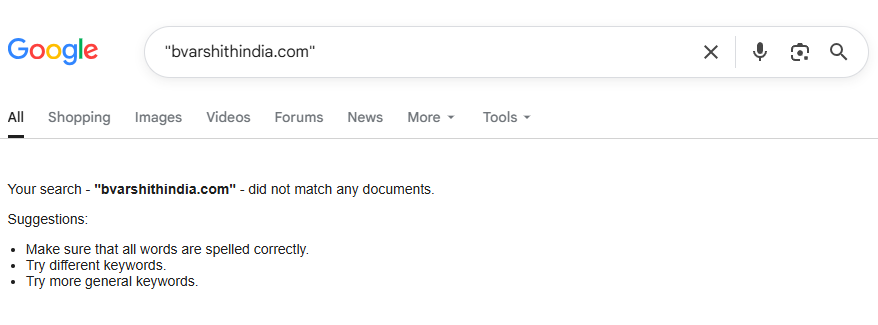
Search your proposed name inside quotation marks.
Example:
"howtoyoublog"If Google returns few or no relevant results, the phrase is likely distinctive enough to build a recognizable brand. If many businesses already use it, choose another name.
Remember: Google search checks uniqueness—not ownership. Even if no results appear, the domain may already be registered.
2. Check Domain Availability
Use a trusted domain registrar to confirm that the domain is available.
3. Check Trademarks
Search your country’s trademark database before purchasing a domain, especially if you plan to build a business.
4. Check Social Media
Try to secure matching usernames on major social platforms to maintain consistent branding.
Step-by-Step Domain Selection Process
- Define your website’s long-term goal. Decide whether it will become a blog, business, portfolio, or personal brand.
- Brainstorm at least 20–50 ideas. Great names rarely appear on the first attempt.
- Keep it short. Domains under 15 characters are usually easier to remember.
- Say it aloud. If someone cannot spell it after hearing it once, simplify it.
- Check Google, trademarks, and domain availability.
- Think five years ahead. Choose a name that still fits if your website expands into new topics.
Best Domain Extensions
| Extension | Best For |
|---|---|
| .com | Businesses, blogs, personal brands |
| .org | Communities and nonprofits |
| .net | Technology websites |
| .co | Startups |
| .in, .uk, .ca | Local audiences |
Although hundreds of new domain extensions exist, .com remains the world’s most recognized and trusted choice.
Frequently Asked Questions
Does a keyword domain improve SEO?
Not by itself. Google primarily ranks pages based on content quality, relevance, authority, backlinks, and user experience.
Is a short domain better?
Yes. Short domains are easier to remember, type, and share.
Should I buy multiple extensions?
If your budget allows, securing .com along with important country extensions helps protect your brand.
Can I change my domain later?
Yes, but changing domains requires redirects and may temporarily affect traffic, backlinks, and brand recognition.
Final Domain Name Checklist
Before purchasing, confirm that your domain is:
- ✅ Short and memorable
- ✅ Easy to pronounce
- ✅ Easy to spell
- ✅ Free of numbers and hyphens
- ✅ Not trademarked
- ✅ Available with your preferred extension
- ✅ Unique in Google search
- ✅ Available on major social platforms
- ✅ Flexible enough for future growth
- ✅ Brandable instead of keyword-stuffed
Conclusion
A domain name is a branding decision first and an SEO decision second. Modern search engines—including Google Search, AI Overviews, ChatGPT, and other AI-powered search assistants—recognize trusted brands built through helpful content and consistent authority rather than exact-match keywords. Choose a short, memorable, legally safe, and future-proof name, verify its uniqueness with Google, trademark databases, and domain registrars, then focus on publishing valuable content. A strong brand will continue to outperform temporary SEO trends for years to come.

Leave a Reply