Finding the best blogging platforms is easier when you first know your goal. Your best choice depends on whether you want more Google traffic, make money, build an email list, create a beautiful website, or simply enjoy writing.
Today, you can choose from WordPress, Wix, Squarespace, Medium, Substack, Ghost, Blogger, Webflow, and Shopify. Each platform works well for a different purpose, so there is no single winner for everyone.
WordPress powers about 42% of all websites worldwide in 2026, which shows why many bloggers still trust it for long-term growth.
Before you decide, ask yourself these simple questions:
- Do you want better SEO and more Google visitors?
- Do you want the best blogging platform to make money?
- Do you want a free blogging platform to learn first?
- Do you need a website builder or a self-hosted blog?
- Do you plan to grow a newsletter platform or an online store later?
Most articles only compare blogging sites by features. However, they rarely help you choose the platform that still fits your goals after two or three years.
This guide is different. You will compare every major option in simple words, understand the real trade-offs, and confidently choose one of the best blogging platforms for beginners or experienced creators before you spend your time or money.
Quick Answer: Best Blogging Platform by Use Case
If you want the best blogging platform, first decide what you want to achieve. Then pick the platform that matches your goal instead of choosing the most popular one.
| Use Case | Best Platform |
|---|---|
| Best overall | WordPress.org |
| Best beginner option | Wix |
| Best design | Squarespace |
| Best newsletter blog | Substack |
| Best SEO control | WordPress.org |
| Best fast publishing | Medium |
| Best professional publishing | Ghost |
| Best ecommerce blog | Shopify |
| Best free simple blog | Blogger |
| Best designer choice | Webflow |
Which Platform Fits You Best?
Choose WordPress.org if you want long-term SEO, full ownership, and more ways to make money. It gives you complete control over your website, and it has the largest plugin library for adding new features.
Today, WordPress powers about 41.9% of all websites worldwide and offers more than 65,000 free plugins. That makes it the biggest blogging ecosystem for beginners and professionals alike.
Choose Wix or Squarespace if you want to build a beautiful blog without learning technical skills. Both platforms handle hosting, updates, and security, so you can start writing sooner.
Choose Substack if your main goal is growing an email list instead of depending on Google Search. Your readers receive every new post directly in their inbox.
Choose Ghost if you plan to build a paid publication or membership website. It combines fast publishing with built-in newsletter and subscription tools.
Choose Medium if you simply want to write and publish within minutes. However, remember that you have less control over SEO, branding, and monetization.
Key takeaway: For most bloggers, WordPress.org remains the best blogging platform because it gives you the highest SEO control, complete ownership, and the freedom to grow your blog in any direction.
What Is a Blogging Platform?
Your blogging platform is the place where you create, manage, and publish your blog posts. It also helps you control your design, content, SEO, and readers as your blog grows.
A blog is your content, while a blog website builder or blogging platform is the tool that helps you publish it. So, you can start with or without a full website because some platforms already include one.
Hosted vs Self-Hosted
Hosted platforms manage everything for you. However, self-hosted platforms give you more control and freedom.
| Type | Best Choice | Practical Use |
|---|---|---|
| Self-hosted | WordPress.org | Full SEO control, custom design, and ownership |
| Website builder | Wix, Squarespace | Fast setup with simple drag-and-drop tools |
| Publishing platform | Medium, Substack | Write and reach an existing audience quickly |
| Blog + newsletter | Ghost | Run a blog, email list, and membership in one place |
Choose the blogging platform that matches your goal: build a business, grow Google traffic, or simply publish your ideas. That way, you save time now and avoid moving your blog later.
How to Choose the Best Blogging Platform
Before you choose a platform, think about your goal first. This is the easiest way to choose a blogging platform that still fits your needs after a few years.
Start with Your Goal
Ask yourself these simple questions:
- Do you want free traffic from Google?
- Do you want to earn money from ads or affiliate marketing?
- Do you want to sell products or courses?
- Do you want to build an email list?
- Do you want an easy website with little setup?
Your answers will guide you to the best blog website builder instead of the most popular one.
Check These Important Features
Do not compare only the design. Also compare the things that matter after your blog starts growing.
| Decision Factor | Why It Matters |
|---|---|
| Ease of use | Helps you publish faster. |
| SEO control | Helps your pages rank higher on Google. |
| Cost | Includes hosting, domain, themes, and future upgrades. |
| Custom domain | Builds trust and your own brand. |
| Design freedom | Lets you change your blog anytime. |
| Monetization | Supports ads, affiliate links, and memberships. |
| Email tools | Helps you grow subscribers. |
| Ownership | You fully control your content and data. |
| Migration | Makes moving to another platform easier. |
| Speed | Faster pages improve user experience and SEO. |
| AI tools | Save time while writing and editing. |
| Support | Solves problems quickly. |
| Ecommerce | Lets you sell products when your blog grows. |
Think About the Future
Many beginners only look at today’s needs. Later, they discover hidden limits that slow their growth.
For example: some platforms give only basic SEO settings, while others limit plugins, themes, or custom features. Moving thousands of posts later can also take days or even weeks if URLs, images, and redirects need manual fixes.
Avoid These Common Mistakes
Do not choose a platform only because it is free. Free plans often show ads, limit your branding, or do not give you full ownership.
Also, avoid platform lock-in. If exporting your content is difficult, switching later becomes costly and may reduce your search rankings if redirects are not handled correctly.
For long-term growth, choose a platform that gives you full control over your content, SEO, and domain. That simple step helps you choose a blogging platform with confidence today and keeps your blog ready for tomorrow.
10 Best Blogging Platforms Compared
If you are looking for the best blogging platforms, do not choose the first one you see. Choose the one that matches your goal because the right platform saves you time, money, and effort later.
| Blogging Platform | Best For | SEO | Ease of Use | Free Plan |
|---|---|---|---|---|
| WordPress.org | Long-term blogging | ⭐⭐⭐⭐⭐ | ⭐⭐⭐ | No |
| Wix | Beginners | ⭐⭐⭐⭐ | ⭐⭐⭐⭐⭐ | Yes |
| Squarespace | Beautiful websites | ⭐⭐⭐⭐ | ⭐⭐⭐⭐ | No |
| Medium | Writers | ⭐⭐⭐ | ⭐⭐⭐⭐⭐ | Yes |
| Substack | Newsletters | ⭐⭐⭐ | ⭐⭐⭐⭐⭐ | Yes |
| Ghost | Professional publishing | ⭐⭐⭐⭐⭐ | ⭐⭐⭐ | No |
| Blogger | Hobby blogs | ⭐⭐⭐ | ⭐⭐⭐⭐⭐ | Yes |
| Webflow | Designers | ⭐⭐⭐⭐ | ⭐⭐ | No |
| Shopify Blog | Online stores | ⭐⭐⭐⭐ | ⭐⭐⭐⭐ | No |
| WordPress.com | Easy WordPress | ⭐⭐⭐⭐ | ⭐⭐⭐⭐ | Yes |
1. WordPress.org — Best Overall for SEO and Long-Term Blogging
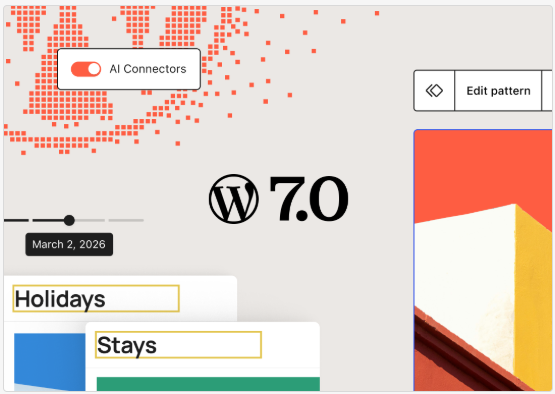
If you want to grow your blog for years, WordPress.org is the safest choice. It gives you complete control over your website, content, and SEO.
It works well for affiliate blogs, business websites, niche blogs, and news websites. According to W3Techs, WordPress powers about 41.5% of all websites and around 59% of websites using a CMS, making it the world’s most popular content management system.
Best for:
- Serious bloggers
- Affiliate marketers
- Business websites
- SEO-focused blogs
Pros:
- Full SEO control
- Thousands of themes and plugins
- Own your website and content
- Easy to scale as traffic grows
Cons:
- Needs web hosting
- Small learning curve
- Plugin and security updates
Cost:
- Domain name
- Web hosting
- Optional premium theme or plugins
Quick takeaway: Choose WordPress.org if Google traffic and long-term growth are your priority.
2. Wix — Best Beginner-Friendly Blogging Platform
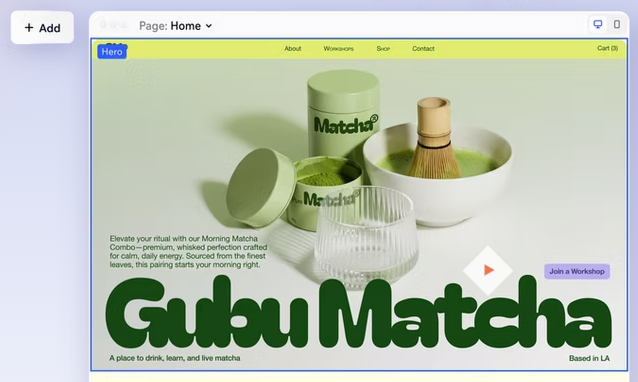
If you want to launch your blog today, Wix makes the process very easy. You simply choose a template, edit the pages, and publish.
Wix also includes hosting, AI website tools, and basic SEO features in one place. This makes it one of the easiest blogging sites for beginners.
Best for:
- Beginners
- Freelancers
- Local businesses
Pros:
- Drag-and-drop editor
- Modern templates
- Hosting included
- AI website builder
Cons:
- Less flexible than WordPress
- Limited advanced customization
Cost:
- Free plan available
- Paid plans for custom domains and business features
Quick takeaway: Choose Wix if you want simplicity more than complete control.
3. Squarespace — Best for Beautiful Blog Design
If design matters most, Squarespace is a strong choice. You can build a professional-looking blog without touching code.
Many photographers, designers, and personal brands choose it because the templates already look polished.
Best for:
- Portfolio blogs
- Lifestyle bloggers
- Personal brands
Pros:
- Beautiful templates
- Easy editing
- Hosting included
Cons:
- Fewer customization options
- Less SEO flexibility than WordPress
Cost:
- Monthly subscription
Quick takeaway: Choose Squarespace if your blog depends on visual presentation.

4. Medium — Best for Simple Writing
Medium lets you start writing within minutes. You do not need hosting, plugins, or website maintenance.
However, you do not fully control your branding or SEO. Your content also lives on Medium’s platform instead of your own website.
Best for:
- Writers
- Personal stories
- Opinion articles
Pros:
- Free to publish
- Built-in audience
- No technical setup
Cons:
- Limited branding
- Limited SEO control
- Less ownership
Quick takeaway: Choose Medium if your only goal is writing.
5. Substack — Best for Newsletter Blogging
Substack combines blogging with email marketing. Every article also becomes a newsletter for your subscribers.
This works well if you want to build a loyal audience instead of depending only on Google traffic. Paid newsletters include a 10% Substack platform fee plus payment processing fees.
Best for:
- Journalists
- Experts
- Newsletter creators
Pros:
- Free to start
- Built-in email list
- Paid subscriptions
Cons:
- Less SEO focus
- Platform fees on paid subscriptions
Quick takeaway: Choose Substack if email subscribers are your biggest asset.
6. Ghost — Best for Professional Publishers
Ghost focuses on publishing, memberships, and newsletters. It stays fast because it includes only the tools most publishers need.
Many professional creators prefer Ghost because it feels cleaner than WordPress.
Best for:
- Membership websites
- Paid newsletters
- Professional publishers
Pros:
- Very fast
- Clean dashboard
- Built-in memberships
- Strong SEO
Cons:
- Smaller plugin ecosystem
- Higher learning curve than Wix
Cost:
- Self-hosted or Ghost(Pro)
Quick takeaway: Choose Ghost if publishing is your business.
7. Blogger — Best Free Blogging Platform
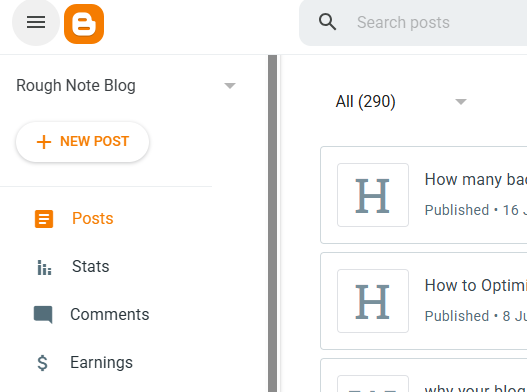
Blogger remains one of the easiest free blogging sites. Google hosts everything for you. You can create own Blogger BlogSpot without any technical knowledge.
Still, it has changed very little over the years. That makes it less suitable for growing a professional website.
Best for:
- Hobby blogs
- Students
- Practice blogs
Pros:
- Completely free
- Google hosting
- Easy setup
Cons:
- Old interface
- Limited features
- Limited future growth
Quick takeaway: Choose Blogger only if you need a simple free blog.
8. Webflow — Best for Designers
Webflow gives you much more design freedom than most website builders. You can create unique layouts without writing much code.
The editor takes time to learn. However, designers often prefer it because of that extra control.
Best for:
- Designers
- Creative agencies
- Premium websites
Pros:
- Advanced design tools
- Fast websites
- Flexible layouts
Cons:
- Learning curve
- Higher pricing
Quick takeaway: Choose Webflow if design comes before blogging.
9. Shopify Blog — Best for Ecommerce
If you already run an online store, Shopify’s blog is enough for product guides, tutorials, and buying advice.
Its blogging features are simple, but the store integration is excellent.
Best for:
- Ecommerce stores
- Product brands
Pros:
- Blog and store together
- Easy product linking
- Secure hosting
Cons:
- Blogging tools are basic
- Less content flexibility
Quick takeaway: Choose Shopify only if selling products is your main goal.
10. WordPress.com — Best Managed WordPress
WordPress.com removes most technical work. You can start quickly without managing your own hosting. Create WordPress blog with limited offer.
However, cheaper plans have feature limits. Advanced plugins and customization require higher plans.
Best for:
- Beginners
- Personal blogs
- Small websites
Pros:
- Easy setup
- Automatic updates
- Managed hosting
Cons:
- Limited freedom on lower plans
- Premium features cost more
Quick takeaway: Choose WordPress.com if you want WordPress without managing servers.
Key Takeaways
- Best overall: WordPress.org
- Best for beginners: Wix
- Best design: Squarespace
- Best for writers: Medium
- Best newsletter: Substack
- Best professional publishing: Ghost
- Best free platform: Blogger
- Best designers: Webflow
- Best ecommerce: Shopify
- Best managed WordPress: WordPress.com
The best blogging platforms are different because every blogger has a different goal. Pick the one that matches your budget, skills, SEO needs, and future plans instead of following the most popular option.
Best Blogging Platform by Goal
If you want the best blogging platform for beginners or the best blogging platform for SEO, first decide your goal. Then pick the platform that helps you grow without making your work harder.
Choose the Right Platform for Your Goal
| Your Goal | Best Choice | Why It Fits |
|---|---|---|
| Best overall | WordPress.org | Full control, strong SEO, and easy to grow |
| Beginner-friendly | Wix | Simple editor and quick setup |
| Best for SEO | WordPress.org | Complete SEO control and thousands of plugins |
| Best for affiliate marketing | WordPress.org | Easy to add affiliate tools and content |
| Best for writers | Medium or Ghost | Focus on writing with fewer distractions |
| Best for business | WordPress.org, Wix, or Squarespace | Professional websites with blogging features |
| Best for making money | WordPress.org | Supports ads, affiliates, memberships, and products |
| Cheapest choice | Blogger or Medium | Free to start with no hosting cost |
| Fastest to publish | Medium or Substack | Create an account and publish in minutes |
| Newsletter-first | Substack or Ghost | Built for email subscribers and paid newsletters |
| Ecommerce | Shopify | Blog and online store in one place |
| Expert-level | WordPress.org or Webflow | More control and advanced customization |
Which One Should You Pick?
Choose WordPress.org if you want long-term traffic from Google Search. It powers more than 40% of websites worldwide, and its open system gives you full ownership and excellent SEO flexibility.
Choose Wix if you are starting your first blog today. You can build pages with drag-and-drop tools, and you do not need coding skills.
Choose Medium if you only want to write and publish fast. Choose Substack if your main goal is growing an email list instead of search traffic.
Choose Shopify if your blog supports an online store. It keeps your products and blog together, so you can manage everything from one dashboard.
Finally, pick the platform that matches your future plan, not only your budget today. The best blogging platform for beginners is the one that lets you start easily and still supports your growth after months or even years.
Free vs Paid Blogging Platforms
If you compare free blogging platforms with a paid blogging platform, first think about your goal. If you only want to learn and practice, a free platform is a good place to start.
You can publish posts without spending money. However, you may not get a custom domain, full design control, or complete ownership of your content.
A paid blogging platform gives you more freedom from day one. You can use your own domain, improve SEO, build your brand, and earn money with ads, affiliate links, or digital products.
Today, many successful blogs use WordPress because it powers about 41.5% of all websites worldwide and offers thousands of SEO tools and plugins for growth.
Free vs Paid Blog Platform: Quick Comparison
| Feature | Free Blogging Platforms | Paid Blogging Platform |
|---|---|---|
| Cost | Free | Monthly or yearly |
| Custom domain | Limited | Yes |
| SEO control | Basic | Full |
| Design options | Limited | Flexible |
| Ads & monetization | Often restricted | Full control |
| Content ownership | Limited on some platforms | Complete |
Which One Should You Choose?
- Choose free blogging platforms if you want to learn, test ideas, or write as a hobby.
- Choose a paid blogging platform if you want steady Google traffic, a professional brand, and long-term income.
- Buy your own domain as early as possible because it helps build trust and supports your future SEO.
Warning: Do not build a serious income blog only on a free platform unless you accept limited control, fewer SEO options, and possible restrictions on your content.
WordPress vs Wix vs Squarespace vs Medium vs Substack
If you compare WordPress vs Wix before starting your blog, you will avoid costly mistakes later. Each platform works well, but the best choice depends on your goals, budget, and how you plan to grow your blog.
| Platform | SEO | Ease of Use | Ownership | Monetization | Best For |
|---|---|---|---|---|---|
| WordPress.org | Excellent | Medium | High | High | SEO blogs |
| Wix | Good | Easy | Medium | Medium | Beginners |
| Squarespace | Good | Easy | Medium | Medium | Design blogs |
| Medium | Limited | Very Easy | Low | Medium | Writers |
| Substack | Limited SEO | Very Easy | Medium | High | Newsletters |
| Ghost | Strong | Medium | High | High | Publishers |
WordPress vs Wix for Blogging
Choose WordPress.org if you want complete control over your blog. It powers about 41.5% of all websites worldwide and gives you the best SEO tools for long-term growth.
Choose Wix if you want to publish quickly without learning hosting or website management. Its drag-and-drop editor and AI tools help beginners launch a blog in just a few hours.
Wix vs Squarespace
Wix gives you more design freedom and beginner-friendly editing. It also works well if you plan to expand your website later.
Squarespace focuses more on clean layouts and beautiful templates. It is a better fit for photographers, designers, artists, and personal brands that want a premium-looking website.
WordPress vs Medium
Choose WordPress if your goal is Google traffic, affiliate income, or a business website. You own your content, your domain, and your SEO settings.
Choose Medium if you only want to write and publish without managing a website. However, your branding, SEO control, and audience ownership stay limited.
Medium vs Substack
Medium helps you reach readers inside its publishing community. On the other hand, Substack helps you build an email list that you own and monetize through paid subscriptions.
If your income depends on subscribers, Substack is usually the better option. If your goal is search traffic, WordPress remains the stronger choice.
Ghost vs Substack
Ghost gives you a complete website, paid memberships, newsletters, and full branding. It works well for creators who want complete ownership.
Substack removes most technical work and lets you focus on writing. However, Ghost offers more control if you plan to build a long-term publishing business.
Quick Recommendation
- Best for SEO: WordPress.org
- Best for beginners: Wix
- Best for beautiful websites: Squarespace
- Best for writers: Medium
- Best for newsletters: Substack
- Best for professional publishing: Ghost
After comparing WordPress vs Wix, Medium, Squarespace, and Substack, the best platform is simply the one that matches your blogging goal. Think about where you want your blog to be in two or three years, and then choose the platform that helps you reach that goal with the fewest limits.
Common Mistakes Beginners Make When Choosing a Blogging Platform
Choosing the right platform is the first step in avoiding common blogging mistakes. If you spend a few more minutes choosing a blogging platform, you can save months of hard work later.
Choose More Than a Free Platform
Many beginners choose a platform only because it is free. However, a free platform can limit your design, branding, and earning options, so think about your long-term goal first.
Do Not Ignore SEO Control
SEO helps your blog appear in Google Search and bring free visitors over time. Therefore, choose a platform that lets you edit URLs, meta titles, meta descriptions, and internal links instead of hiding these settings.
Buy Your Own Domain Early
A custom domain looks more professional and builds trust. It also makes your blog easier to remember and lets you move to another platform later without losing your brand.
Think Before You Migrate
Some platforms are easy to start but hard to leave. So, check the export and migration options before you publish your first post.
Match the Platform to Your Goal
Choose Substack if your main goal is building an email newsletter, not getting most of your traffic from Google Search. On the other hand, choose WordPress only if you want full control, strong SEO, and long-term growth instead of casual writing.
Own Your Email List
Your email list is one of your biggest assets because you can contact your readers anytime. So, make sure you own your subscriber list instead of depending only on a platform’s audience.
Quick Checklist
- Do not choose only by price.
- Check SEO features first.
- Buy a custom domain.
- Make sure migration is easy.
- Match the platform to your blogging goal.
- Own your email subscribers.
Avoid these blogging mistakes from day one, and choosing a blogging platform will become much easier for your future growth.
Creators Discussions on Differenet Forums
When you search best blogging platform Reddit, you quickly notice one thing: most people care more about writing every week than comparing hundreds of features. Reddit users often say the best platform is the one that helps you publish one or two posts every week without feeling stuck.
Many beginners also ask for a simple place to share personal stories, travel photos, or hobby blogs. Therefore, experienced bloggers usually suggest WordPress.org for long-term growth, while Medium, Blogger, or Wix are common blogging platform recommendations for an easier start.
YouTube creators ask a different question: Do you want Google SEO traffic or a ready-made audience? If your goal is search traffic, WordPress gives you more control, but if you only want readers today, Medium or Substack can help you publish faster.
Quora discussions and creator interviews also repeat one lesson: your platform matters less than your publishing habit. Even the best blogging platform cannot grow your blog if you stop writing after a few weeks.
Key Takeaways
- WordPress.org: Best for long-term SEO, ownership, and making money.
- Medium: Best if you want a built-in audience and simple writing.
- Substack: Best if your main goal is building an email list.
- Wix: Best for beginners who want an easy website builder.
- Your success: Comes from publishing useful content every week, not from chasing the newest platform.
Final Recommendation: Which Blogging Platform Should You Choose?
If you still wonder which blogging platform is best, keep one simple rule in mind: choose the platform that matches your goal. Your choice today will affect your SEO, income, and future growth.
WordPress.org is the best blogging platform recommendation if you want full ownership and long-term success. It powers about 42% of all websites worldwide in 2026, so you get excellent SEO control, thousands of themes, and over 65,000 free plugins.
Choose the Platform That Fits Your Goal
| Your Goal | Best Platform |
|---|---|
| Grow with Google SEO | WordPress.org |
| Start quickly as a beginner | Wix |
| Build a beautiful website | Squarespace |
| Write without managing a website | Medium |
| Grow an email newsletter | Substack |
| Sell memberships | Ghost |
| Run an online store with a blog | Shopify |
You should also think about your future plans before you start. Moving your blog later takes time, so choosing the right platform now saves work.
If your goal is traffic, affiliate income, display ads, or complete control, choose WordPress.org. If you only want to publish articles, Medium keeps everything simple.
If email subscribers are your main business, Substack or Ghost works better. If your website mainly sells products, Shopify gives you both a store and a blog.
So, the best blogging platform recommendation is simple: pick the one that supports your long-term goal instead of today’s convenience. That choice helps you grow faster, avoid costly changes, and build a blog that lasts.
Frequently Asked Questions About the Best Blogging Platforms
If you still have questions about the best blogging platforms, these quick answers will help you choose with more confidence. They also help you avoid common mistakes before you start your blog.
What is the best blogging platform for beginners?
Wix is one of the easiest choices because everything comes together in one place. However, choose WordPress.org if you want to grow your blog for many years and learn SEO from the beginning.
What is the best blogging platform for SEO?
WordPress.org is the best option for SEO because you control your website, speed, URLs, and plugins. Today, WordPress powers about 42% of all websites worldwide, so it remains the most trusted blogging platform for long-term growth.
Is WordPress better than Wix?
Yes, if your goal is SEO, affiliate marketing, or a business blog. On the other hand, Wix is better if you want a simple website with almost no setup.
Is Medium good for blogging?
Yes, Medium works well if you only want to write and reach readers quickly. Still, you have less control over branding, SEO, and your audience than you do with your own website.
Is Substack better than a blog?
Substack is better when your main goal is growing an email newsletter. However, a self-hosted blog gives you more control over SEO, design, and long-term ownership.
Can I make money blogging for free?
Yes, but earning is usually limited on free blogging platforms. Therefore, buying a custom domain and paid hosting often gives you better SEO, more trust, and higher income potential.
Which blogging platform is best for affiliate marketing?
WordPress.org is the strongest choice because you own your content and can add any affiliate tools you need. It also supports thousands of SEO plugins and more than 65,000 free plugins for different blogging needs.
Which blogging platform is best for writers?
Choose Medium if you only want to publish articles. Instead, choose Substack if you want paid subscribers, or Ghost if you want both a blog and a newsletter on your own website.
Is blogging still profitable in 2026?
Yes, blogging is still profitable in 2026 when you publish helpful content regularly. Many bloggers earn through affiliate marketing, ads, digital products, online courses, consulting, memberships, and freelance services.
Should I start with free or paid blogging?
Start with a free platform if you only want to learn or test ideas. However, choose a paid blog with your own domain if you plan to build traffic, rank on Google, and create a long-term online business.
Conclusion: If this article helpful for others, share on other platforms to reach more people.


Leave a Reply