Blogging vs vlogging is a common choice for new content creators. A blog uses written words on a website, while a vlog uses videos on platforms like YouTube.
Today, many people feel confused about which path to choose. Both can build an audience, share useful ideas, and make money.
Is Blogging Harder Than Vlogging?
Blogging can feel harder because readers may not find your posts at once. You need SEO, social media, email updates, and useful content to bring people back.
Vloggers can gain followers through YouTube alerts and video suggestions. They may also attract sponsors faster because videos show the creator, product, and real reaction.
Still, bloggers are not forgotten. People read blogs when they need clear answers, guides, reviews, recipes, travel tips, or step-by-step help.
Choose the Format That Fits You
You do not need to vlog just because video is popular. If you dislike cameras, feel shy, or cannot speak for long, blogging may suit you better.
You can write in peace, edit your words, and publish when you feel ready. You can also earn through display ads, affiliate links, sponsored posts, digital products, and services.
A small blog can make money when it solves a clear problem. For example, one useful post about fixing a WordPress error may earn more search traffic than ten random videos.
Key Points
- Choose blogging when you enjoy writing and research.
- Choose vlogging when you enjoy speaking and being on camera.
- Focus on useful content, not only views.
- Build an email list from your first day.
In the end, blogging vs vlogging is not about which platform looks bigger. Choose the format you can keep using for years without losing interest.
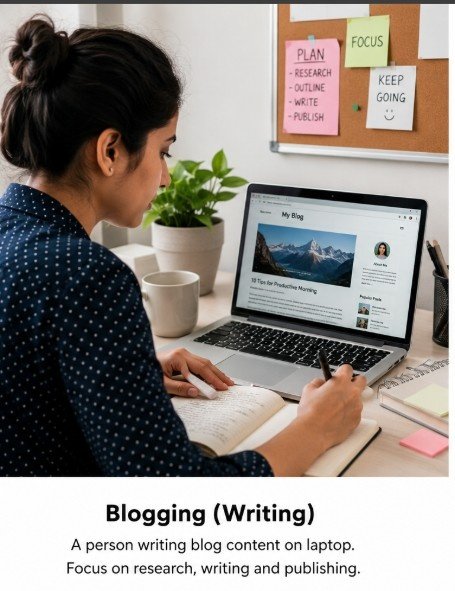
Blogging
Blogging means sharing useful ideas through articles, guides, and written stories. You can create a new blog on WordPress, Wix, Blogger, or a custom website.
To grow your blog, you need basic knowledge of SEO. You should learn keywords, headings, internal links, image SEO, and search intent.
AI SEO tools can help you find ideas, build outlines, and improve old posts. Still, you must add your own view, real examples, and clear advice.
Writing skills also matter in blogging. You do not need hard words, but you must explain each point in a simple and useful way.
Monetization means earning money from your blog. You can earn through display ads, affiliate links, sponsored posts, digital products, and services.
Format
Blogging mainly uses articles, guides, reviews, tutorials, and personal stories. You can also publish list posts, case studies, news posts, and opinion pieces.
Platforms
Most blogs run on WordPress, Wix, Blogger, or custom websites. WordPress gives you more control, while Wix and Blogger are easier for beginners.
Pros
Blogging works well for search engine optimization and long-term traffic. It is also easy to monetize with text ads, affiliate links, and service pages.
Cons
Blogging needs strong writing, research, and editing skills. You must also manage your website, update old posts, and wait for search traffic.
Blogging vs Vlogging Money
Blogging and vlogging can both make money. Blogging earns from ads, affiliate links, and services, while vlogging earns from video ads, sponsors, memberships, and product deals.
Blog income may start slowly, but old posts can bring traffic for years. Vlogging may grow faster when your face, voice, or demo creates trust.
Blogging vs Vlogging vs Blog
A blog is the website or page where written posts appear. Blogging is the work of creating those posts, while vlogging means creating video content.
Example of Blog and Vlog
A travel blog may explain hotel prices, routes, food, and local tips in writing. A travel vlog may show the same trip through video, voice, and live scenes.
Blogging vs Vlogging Pros and Cons
Blogging costs less to start and suits people who enjoy writing. Vlogging feels more personal, but it needs a camera, clear speech, editing, and more storage.
How to Start a Blog or Vlog
First, choose one topic and study what people search for. Next, create useful content each week and improve it from reader comments and traffic data.
Blogger vs Vlogger vs Influencer
A blogger writes posts, while a vlogger creates videos. An influencer builds trust and affects what people watch, buy, or follow.
YouTube Blogger or Vlogger
A person who creates videos on YouTube is usually called a vlogger or YouTuber. The word blogger fits better when the main content is written.
Blogging takes time, but it can build steady traffic and income. So, choose blogging when you enjoy writing, SEO, research, and long-term content growth.
Vlogging
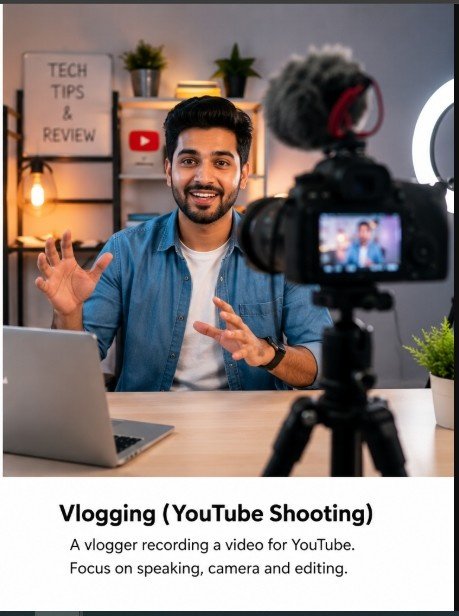
Vlogging means sharing ideas, stories, or lessons through video. To grow in vlogging, you need clear speaking, good shooting, and simple video editing skills.
Video Editing Skills
Video editing helps you remove mistakes, cut long pauses, and keep the video clear. You can also add text, music, images, and smooth scene changes.
Start with simple editing tools before using advanced software. Focus on clean cuts, clear sound, and a short opening that tells viewers what they will learn.
Shooting Skills
Good shooting means keeping the camera steady and placing the subject clearly in the frame. You should also check the light, sound, background, and camera angle before recording.
Record a short test clip first. This small step helps you find noise, poor light, blur, or wrong framing before you shoot the full video.
Vlogging Tools
You do not need costly tools when you start. A phone, tripod, microphone, light, editing app, and enough storage can handle most basic videos.
Useful tools include:
- Smartphone or camera
- Tripod or phone stand
- Clip-on microphone
- Ring light or window light
- Video editing app
- Memory card or cloud storage
Camera
A clear camera improves video quality, but content matters more than price. Most new smartphones can record good videos when you use proper light and stable framing.
Keep the lens clean before each shoot. Also, use the rear camera when possible because it often gives better video quality.
Ambience
Ambience means the full mood around your video: light, sound, background, and room feel. A clean wall, soft light, and low noise can make a simple video look professional.
Avoid busy backgrounds and loud fans. You should also close doors, silence notifications, and record away from traffic noise.
Speaking Skills
Speak slowly, clearly, and naturally. Use short lines, simple words, and a friendly tone so viewers can follow you without effort.
Do not try to sound perfect. Viewers often trust a natural voice more than a memorized speech.
Format
Vlogging includes talking-head videos, tutorials, reviews, interviews, travel videos, and “day in the life” stories. You can also create how-to videos, product demos, reaction videos, and short updates.
Platforms
You can publish vlogs on YouTube, Vimeo, TikTok, and Instagram. YouTube suits long videos, while TikTok and Instagram work well for short and fast content.
Pros
Vlogging helps you connect with viewers through your face, voice, and real actions. It is also visually engaging, easy to share, and useful for building a loyal audience.
Cons
Vlogging takes more time because you must plan, shoot, edit, upload, and promote each video. You may also need cameras, lights, microphones, storage, and strong internet.
Key Points
Start with the tools you already own, and improve one skill at a time. In vlogging, clear sound, useful content, natural speaking, and steady practice matter more than costly equipment.
Conclusion
Do you prefer blogs or vlogs? Your answer depends on how you like to share ideas and connect with people.
Choose blogging when you enjoy writing clear content and explaining each point in detail. Choose vlogging when you feel happy speaking and showing your face on camera.
Both formats have one goal: reaching the end user with useful information. So, do not copy others; pick the method you can follow for a long time.
In the end, blogs or vlogs can both work well. Start with your strongest skill, stay consistent, and focus on helping your audience.


Leave a Reply