A blog post may rank well in Google, still ChatGPT may not pick it. Strange, but it happen. Some other post get named by AI, yet no people click it from search. I faced this problem too, and first I thought more keywords can fix all. It did not.
Google and ChatGPT look at content in different ways, but both like clear answer, real proof, useful steps, and trusted information.
To optimize a blog post for Google and ChatGPT simultaneously, make it searchable, extractable, trustworthy, technically accessible, and supported by original evidence.
I call this the Dual-Visibility Content System. In this guide, we will work through research, writing, EEAT proof, technical SEO, AI citation setup, publishing, and checking results.
Google SEO vs ChatGPT Optimization: What Actually Differs?
Google and ChatGPT both help people find answers, but they do the work in different way. Google mostly shows pages, links, images, videos, snippets, and sometimes AI Overviews. The user still choose where to click.
ChatGPT feels more like asking one person. It may read sources, join facts, compare ideas, and give one direct answer. Sometimes it also show citation.
I once improved one post for Google. Good title, fast page, keyword, links. Ranking came slowly. But AI tools still ignored it. The main reason was simple. My answers were hidden inside long talk. Facts had no clear shape.
SEO means helping search engines rank the page. AEO means giving direct answers. GEO means making content easy for AI systems to use. AI-search optimization is the wider work around all of these.
| Area | ChatGPT and AI Search | |
|---|---|---|
| Primary outcome | Ranking and clicks | Mentions, answers and citations |
| Query style | Short or keyword-led | Conversational and multi-step |
| Ideal content | Relevant and useful | Relevant, useful and extractable |
| Proof signals | Links, EEAT and engagement | Citations, clarity and corroboration |
The safest method is not choosing one side. Make the page crawlable for Google. Then make every answer clean, clear, sourced, and easy to lift without losing meaning.
Start With Dual-Intent Research
Before writing, first see what people really asking. Not only Google keyword. People type small words in Google, but inside ChatGPT they ask full problem, with worry, doubt, sometimes anger also.
Start with one main query, like how to optimize blog posts for ChatGPT. Then check Google autocomplete, People Also Ask, related searches, Reddit talks, forums, comments, and competitor posts. I used to skip this work. Later my article got views, but readers left fast. It answered keyword, not their real pain.
Now convert every short keyword into normal human question.
Google query: How to optimize blog posts for ChatGPT
AI prompt: What changes should I make to my old blog post so ChatGPT may trust and use it?
Put all questions into groups: beginner, action steps, problems, comparison, and final results. Also find hidden need. A person asking about ChatGPT ranking may actually fear losing Google traffic.
Make one sheet with five columns: query, user problem, search intent, proof needed, and best answer format. This small sheet stops a lot confusion later.
Build an Answer-First Article Structure
A blog section should give answer first. Do not make reader walk long road before finding small answer. I did this mistake many time. I wrote big opening, nice words, many thoughts, but reader leave. They was not coming for my story first. They need help.
Use one clear H1 for main problem. Then make H2 headings from real questions people ask. Under every heading, give direct answer in two or three lines. After that, explain why, show proof, steps, and one real example. H3 can hold mistakes, tools, or small actions.
I follow one simple order now: answer, reason, method, example, mistake, final point. It feel plain, but works.
Google can understand what part answer the query. ChatGPT also can lift a full section without losing meaning. Reader also scan fast, stop, and still learn.
Do not push exact keyword in every heading. It look strange. Write heading like normal person asking normal doubt.
Write for Humans, Search Engines and Language Models
Write clear first. Fancy words not needed. Reader came with problem, so answer fast. I learned this after writing many long posts where intro was big, but help was small. People leave. Search engine also may not understand main point.
Use one idea in one paragraph. Name tools and people same way every time. Do not call ChatGPT “AI tool” in one place, “bot” in next place, then “answer machine” later. It make meaning loose.
Explain hard words when they first come. Give proof after advice. A claim alone feels empty.
Weak: Improve your content quality and authority.
Strong: Add author bio, cite primary sources, show screenshots from your work, mention publish date, and share result you got.
Use short lists when steps are many. Use table when reader must compare. Use example when advice sound confusing.
AI-friendly writing should not feel like machine talking. It should feel natural, but complete. One paragraph must carry enough meaning, even when Google or ChatGPT pick it alone. Clear sentence win. Real detail win more.
Add EEAT Proof That Other People Cannot Copy Easy
Many blog posts give advice, but no proof. Reader may think, “Why I should trust this?” So show real work.
Experience is not only saying “I tested it.” Put screenshots. Show old result and new result. Tell what went wrong also. One time I changed many headings and traffic dropped. I felt bad, honestly. Then I checked search intent, removed extra words, and added clear examples. After some weeks, page started moving again. This recovery story is more useful than showing only success.
Expertise means you explain the method right. Tell your background, steps you used, tools, and where the method may fail. Do not act like every idea works for all websites.
Authority grows when good websites mention you, experts add comments, and your own related posts cover topic deeply.
Trust comes from sources, update date, author page, contact details, review process, correction policy, and clear affiliate note.
Use the Claim-Proof-Outcome rule.
Claim: what you suggest.
Proof: screenshots, data, source, or real test.
Outcome: what changed after using it.
Do not hide failure. Failure with recovery feels real. Perfect stories sometimes feel made.
Make the Post Easy to Cite and Summarise
AI citation ready content means your words can be picked, checked, and understood without big confusion. I learned this after one article had good traffic, but nobody quote it. Facts was hidden inside long talking.
Put one clear meaning near start. Write full fact sentences. Keep source close, not ten lines away. Primary source is better when possible. For fresh numbers, add month and year. A table also need clear labels, else reader and machine both get lost.
Do not say “best” or “guaranteed” when no proof is there. Say what is fact, what is your view, and what is only guess.
Use small blocks like “In one sentence,” “Example,” “Common failure,” and “Recommended action.” These help tired readers.
A quote must still make sense when taken alone.
Citation work is not trick for forcing mentions. It is making honest information simple to check, trust, and reuse.
Complete the On-Page and Technical SEO Layer
A good post can still sit alone, nobody see it, because small SEO things was missed. I learned this after one page stayed dead for many weeks. Title was clever, but not clear. URL was long like a train. Introduction talked too much before giving answer. I changed title with main keyword, made URL short, and placed useful answer near top. Slowly, impressions came.
Keep H2 and H3 headings in clean order. Add internal links only where reader may need next help. Images should have simple alt text, not keyword stuffing. Original screenshots gives more trust than common stock photo. Show author name, publish date, and updated date. People notice this. Search systems also understand who made the page.
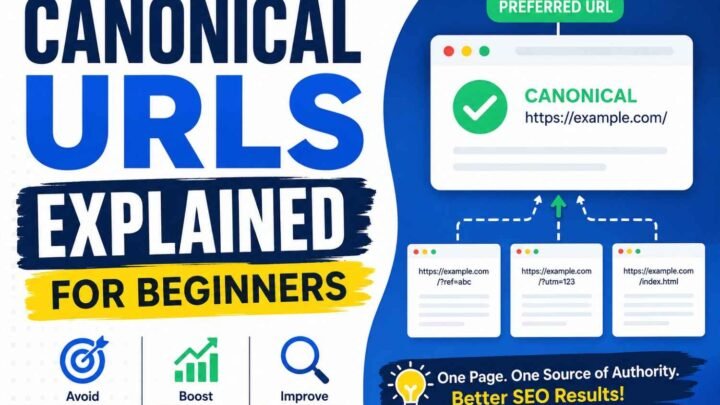
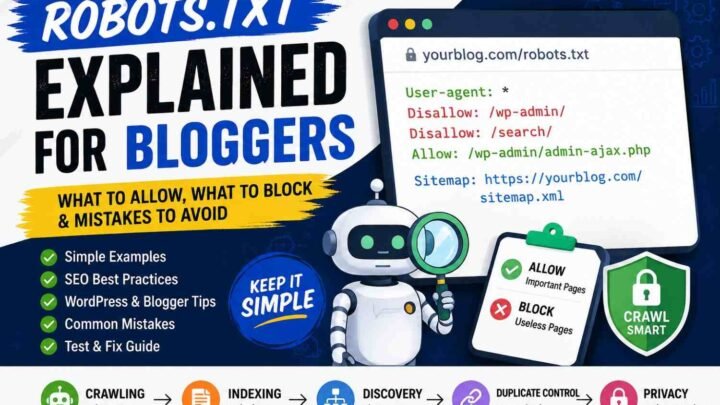
Then check technical side. Page must be indexable. Canonical tag should point correct page. Mobile view must not break. Text need be crawlable, not hidden inside heavy scripts. Use HTTPS, sitemap, and test robots.txt. One wrong noindex can destroy whole work. It happened to me once, painful thing.
Schema like Article, BlogPosting, Person, Organization, and BreadcrumbList can explain page meaning. FAQPage or HowTo schema use only when real content match it. Schema helps machines read better, but it never promise ranking or ChatGPT citation.
Strengthen Topical Authority With Content Clusters
One blog post cannot carry every answer. I learned this after writing one very long post and adding too many points inside it. Reader came for one answer, but he got lost.
A better way is content cluster.
First make one main pillar post. It should explain the full topic in simple way. Then create smaller posts around AI keyword research, answer-first writing, EEAT examples, schema setup, AI citation tracking, old content update, Google AI Overviews, ChatGPT Search, Bing and Copilot visibility, and traffic loss recovery.
Each small post solve one real problem.
Link those supporting posts back to main pillar page. Also link pillar page to useful guides. Use clear anchor words like “how to track AI citations,” not weak words like “click here.”
Do not add links only for SEO. I done this before. Page looked messy and reader stopped trusting it.
Also update old posts when new useful guide is ready.
Topical authority not mean writing twenty thin posts with same idea. It mean covering full problem, from first doubt to final fix. Reader should not need run to five other websites. That is when website starts feeling complete.
Publish, Share, and Build Outside Trust
Publishing post is not finish line. I learn this hard way. One useful article stayed quiet for weeks because I only press publish and wait. Nothing came.
Submit page in Google Search Console and Bing tools. Then share where real people already asking same problem. Do not throw link like spam. Give small answer first, then link for full steps.
Turn main findings into LinkedIn post, short video, email, and forum reply. Some people read, some watch, some never open blogs.
Contact experts you mentioned. Tell them why their work helped. Few may share it.
Keep facts same on author page, social profile, and business page. When trusted sites mention or support your claim, search engines and AI systems may feel more safe using it.
Measure Google and ChatGPT Visibility Separately
Google traffic and AI visibility is not same thing. I learned this after watching one post rank well, but ChatGPT never showing it. That feeling was bad.
For Google, check impressions, keyword position, clicks, CTR, reading time, leads, featured snippets, and AI Overview appearance. Do not only see ranking. A page sitting number three can still bring weak clicks.
For AI tools, track brand mentions, linked pages, correct citations, prompt coverage, competitor mentions, and visits coming from ChatGPT or Perplexity. Keep 20 fixed questions in one sheet. Test them every few weeks across ChatGPT, Gemini, Copilot, Perplexity, and Google AI.
Results will move. Location change it. Prompt wording change it too. One test proves almost nothing. Look for repeated patterns, then repair weak pages.
Common Failures and How to Recover
Sometimes post rank in Google, but ChatGPT not use it. I faced this too. Page was good, but answers hiding inside long talk. I changed each section. First line gave clear answer, then proof and example. After some weeks, visibility become better.
One post got AI citation, still no people clicking. It felt bad. The title was weak, and page gave no extra reason to visit. I added checklist, real screenshots, small template, and useful steps.
Traffic may fall after update also. Do not panic fast. Check search need, wrong facts, broken links, slow page, and what competitors added.
When AI choose other sites, study them calmly. Maybe they have fresh data, trusted names, clear facts, or better structure.
Generic writing is biggest trouble. Add your mistake, result, doubt, limit, and recovery. Real experience give life.
Too many FAQ questions also look empty. Remove repeated ones. Build full sections that solve one real problem properly.
Final Dual-Visibility Publishing Checklist
Before publish, stop little. Read article like new visitor. Main answer must come fast, not after long talk. Check all small doubts also, because reader mind keep asking more. Add your own work story, even failure one. I once forget internal links, page stay alone for months.
Sources need real and trusted. Headings must clear. Steps should be easy to follow. Tell where method may fail too.
Check schema with testing tool. Open page on phone. Slow page make people leave, and bots also struggle. Make sure Google can crawl it. Show author name, publish date, update date.
Keep facts in short blocks. Add summary. Later, measure clicks, rank, AI mention, then refresh weak parts.
Conclusion: Optimize for Usefulness, Not Algorithms
Google rank and ChatGPT mention are not same result. But both look for useful page, clear answer, real proof, easy access, and trusted writer. I learned this after fixing one old post many times. More keywords did not save it. Better answer did.
Before making ten new posts, check one old article first. See what reader really need. Rewrite the weak part. Add screenshot, result, mistake, or source. Fix speed and broken links too.
Then watch Google traffic and AI mentions. Small repair sometimes bring more value than much new content.

Leave a Reply